
 888-825-8800




The electric ball valve, or motorized ball valve, is an essential part of many different industries. It allows users to regulate the flow of liquids and gases at will. The guide below will equip you with useful information for your electric ball valve purchase.
What Is an Electric Ball Valve?
An electric ball valve, also known as a motorized ball valve, is a special type of mechanism that uses an electric actuator to open or close a ball valve. When required, you can turn the sytem on or off by applying electricity, without access to the internal workings of the system.
How Does an Electric Ball Valve Work?
As the name suggests, an electric ball valve consists largely of a ball. However, the ball has a bore drilled through its center. When a motorized ball valve is opened, the bore aligns with the rest of the pipe, allowing gases or liquids to pass through.
When the valves are closed, the unperforated side of the ball faces the pipe, blocking liquids and gases from passing through. Each electric ball valve contains an electronic actuator that provides the motion for the ball and determines whether the valve is open or closed.
What Are the Common Applications of Electric Ball Valves?
The electric ball valve is used in a wide array of different applications and industries. Some of the most common would include the following:
- Water and wastewater management
- AC and HVAC systems
- Process control systems
- Oil and gas pipelines
- Chemical processing
- Agriculture and irrigation
- Fire protection systems
These are just a few of the many ways in which an electric ball valve is used within industry or society as a whole. Some of these are essential, and others may seem insignificant. However, in every instance, the electric ball valve helps simplify and expedite the process involved.
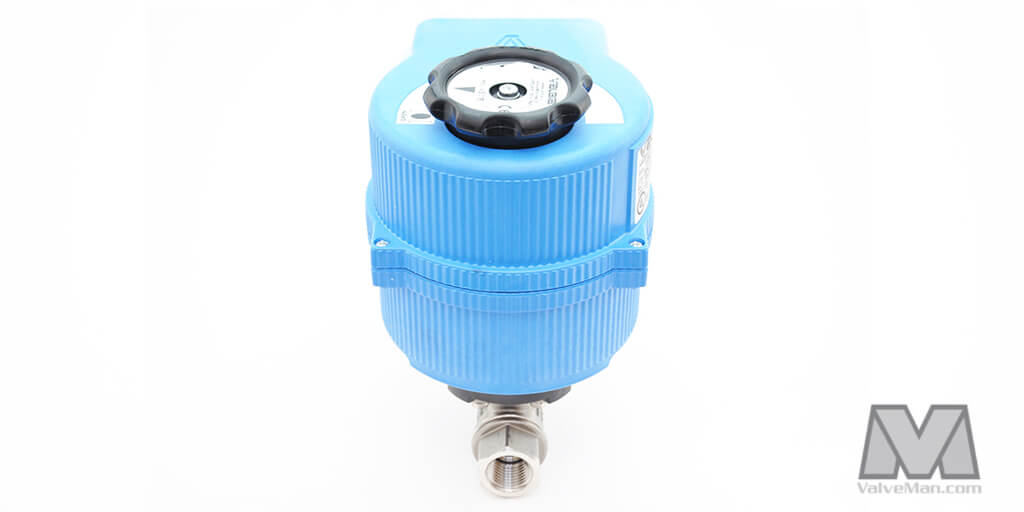
Types of Motorized Ball Valves
The difference in each type of motorized ball valve reflects variances in applications, often dictated by port configurations. For example, Bonomi offers electrically actuated ball valves with several port choices, including "Full," "T," and "L" designs. Full (and/or reduced) refers to bore diameter, while T and L refer to bore/port shapes. Each port design serves a specific function, making it ideal for particular applications:
- Bonomi 8E064 - This brass bodied 2-way, electrically actuated ball valve features a full port. The advantage of a--the hole through the ball--is that this bore is the same internal diameter as the rest of the valve. This means the flow of fluid is not restricted in any way as it travels through the valve (when fully open, and the bore is in-line with the pipe). There is no reduction in fluid movement, and no loss in pressure. A full port electric ball valve is perfect for an application in which mixed fluids must travel through a valve: the absence of restrictions aids in the prevention of fluid separation (and unnecessary build-up within the valve).
- Bonomi 8E065 - A 3-way valve, this electric ball valve--featuring a brass body and chrome-plated ball--utilizes a reduced bore, "T" port. Ideal for applications where pressure is not a concern, but function is, a T port valve is perfect for controlling fluid travel in two lines. It also offers the luxury of stopping feed to one line, while allowing flow to the other, or neither.
- Bonomi 8E066 - Constructed of lead-free brass, this 3-way electric ball valve features an "L" port. L ports differ from T ports in that they can only feed fluid to one line or another. However, this ability is extremely useful in applications that require the addition of more than one fluid into a mix. Combinations that need to be introduced in measured succession can be controlled easily with an L port valve.
These represent three common motorized ball valve configurations, and this trio projects Bonomi perfection. Bonomi is a trusted name, and world leader, in electrically actuated ball valves, as the company has been in business and family owned for seven generations. A top choice for the perfect electrically actuated ball valve.
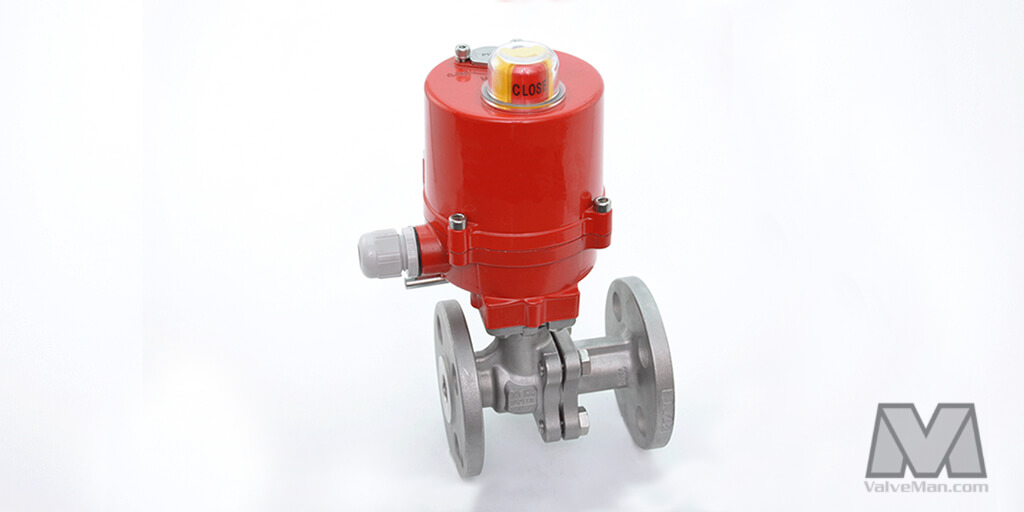
Electric Ball Valve Materials and Sizes
Like many other valves, an electric ball valve can come in a wide array of shapes, sizes, and materials. Different types of systems may require different materials and sizes. Common electric ball valve body materials include:
Because there are so many different applications for an electric ball valve, there are various sizes on the market. Common electric ball valve sizes include:
Depending on the industry and application where you're planning on using the valve, the size and materials may differ significantly. It's critical that you know which materials and sizes are suitable for your purpose before you buy a valve.
What Are the Advantages of Using an Electric Ball Valve?
There are various advantages and benefits of using an electric ball valve. To mention just a few,
- They give you precise control over the flow rate of liquids and gases. Thanks to the precision adjustment that goes with a motorized ball valve, you can regulate process parameters to minute degrees.
- They have rapid response times, which means you can switch the valves on and off nearly instantly.
- You can automate valves or activate and deactivate them via remote control. This remote integration allows you to control various parts of the system from a single central location.
- They're incredibly versatile. You can use an electric ball valve for various media, including liquids, gases, and slurries.
- They're highly energy efficient. Because they require so little energy to work, these valves can make a huge difference in the amount of power used.
Frequently Asked Questions (FAQs)
Are Electric Ball Valves Suitable for Both On/Off and Throttling Applications?
Yes, electric ball valves are suitable for both types of applications. They can be used as standard on-and-off valves by opening or closing the valve all the way. They can also be used to throttle flow by opening or closing them only a part of the way.
How Do I Select the Right Electric Ball Valve for My Application?
There are various things you need to bear in mind when you're trying to decide upon an appropriate motorized ball valve for your application. Some of the most significant include the following:
- The material being transported
- The desired size
- The flow pressure of the system
- The temperature range of the materials being transported
- Flow characteristics
- Power supply requirements
- Industry and use-specific requirements
Where Can I Buy an Electric Ball Valves?
91视频 offers a broad range of different motorized and electric ball valves. For the best offers and prices, take a closer look at our vast collection of motorized ball valves. From PVC to stainless steel, one-inch to eight-inch, we have something that will match your requirements.
If you need extra information along the way, feel free to contact us, and we'll be happy to give you whatever assistance and quotations you might need.
What is an actuator?
An actuator is a device that uses an energy source such as electricity, air, or hydraulics to move or control a mechanism. In ball valves, actuators automatically open or close the valve without manual effort.
Can you combine an electric ball valve and electric actuator?
Yes. In fact, an electric ball valve is simply a ball valve paired with an electric actuator. The actuator mounts to the valve and provides powered rotation of the ball, enabling automated flow control.
How do you install the electric ball valve?
Installation involves mounting the electric actuator onto the ball valve, securing it with the appropriate brackets or ISO flanges, wiring the actuator to the power source or control system, and then connecting the valve into the pipeline. Always follow the manufacturer’s wiring diagram and torque specifications.
What causes failure in an electric ball valve?
Common causes include electrical issues (such as power surges or faulty wiring), actuator wear, water ingress or poor sealing, and debris in the pipeline that stresses the ball or seats. Regular maintenance and proper installation greatly reduce failure risks.
When is an electric actuated ball valve necessary?
They’re necessary when remote operation, automation, or precise flow control is required. Typical applications include HVAC systems, water treatment, industrial processes, and any system where manual operation would be impractical or inefficient.
Electric Ball Valve - Related Articles
-320°F Cryogenic Liquid Nitrogen Valve - Buy Valves from 91视频
What is a Duty Cycle and How Does it Relate to Electric Ball Valves?
Practical Guide To Electric and Pneumatic Actuators – Which One To Choose?
Using an Actuated Ball Valve Or a Solenoid Valve For Best Fluid Control In The System
The Future of Electric Flow Actuation
Difference Between a Vented Ball Valve and a Standard Ball Valve
Our Posts
View All
Industrial Valves Used in Water Treatment Plants
Water treatment valves control flow rate, pressure, and direction of fluid flow in drinking water …
Read More
Industrial Control Valves: The Ultimate Guide for Engineers
Image courtesy of By Bitjungle - Own work, CC BY-SA 4.0 Precision flow control is vital to modern in …
Read More
What Are ANSI Standards for Valves and Are They Mandatory?
(And Why They Matter for Valve Systems) Whether you鈥檙e specifying valves for an oil refinery, water …
Read More
ASME Standards for Valves Explained: ASME vs. ANSI
On This Page What Is ASME? What Are Standards and Codes? Why ASME Standards Matter Key ASME Standa …
Read More
OSHA Pressure Relief Valve Regulations
OSHA pressure relief valve (PRV) regulations are extremely important for the safety of both your emp …
Read More
Choosing PVC vs Brass Ball Valves
When it comes to ball valves, there's no one-size-fits-all answer. PVC and brass are both excellent …
Read More
Agricultural Irrigation Maintenance Checklist
Here are some things to think about. If an agricultural irrigation pump has to work against just 5 p …
Read More
Agriculture Irrigation Valves: Efficient Flow Control for Farms
Agriculture irrigation valves are vital for efficient flow control, and valve selection is rarely ab …
Read More
Backflow Prevention Devices
According to the American Backflow Prevention Association, 24 gallons of asphalt emulsifier, intende …
Read More
Top 7 Swing Check Valves by Model & Manufacturer
Looking for reliable swing check valves? Discover the top 7 models from leading manufacturers like C …
Read More
What is a Spool Valve and How Does It Work?
Spool valves are incredibly useful. They are a simple directional control valve used in hydraulic an …
Read More
What is the cracking pressure of a check valve?
Check valves, regardless of their individual design, serve the specific purpose of permitting the fl …
Read More
Smart Water Valves: Futuristic Flow Control Technology
Leaks can range from annoying to devastating, and the longer they go unaddressed, the more costly th …
Read More
How to Calculate Flow Rate In Water Systems
Flow rate is critical in water systems, from simple home plumbing to complex industrial water system …
Read More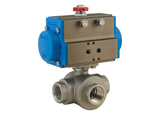
What Is a Valve Pressure Rating? Definition and Guide
Pressure ratings are important considerations when designing a system that uses valves, but they can …
Read More
Special Pricing and Services for OEM - the 91视频 Valve Store
OEMs or Original Equipment Manufacturers make up a large portion of our clients at 91视频. With th …
Read More
Data Cooling Centers and Sanitary Valves
Overheated data centers pose a massive challenge, and the global data center cooling market is growi …
Read More
Valve Maintenance Best Practice Guide
A Guide to Safer, Long Lasting Valves Valves are found in most piped systems that move liquids, gas, …
Read More
Valve Materials for Gaseous Oxygen Service
Oxygen may seem safe because it is colorless, tasteless, and odorless, but in the wrong conditions, …
Read More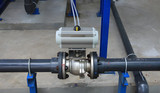
Pneumatic Actuators Valve Types
Have you ever stopped to think about what makes an automated assembly line push, pull, lift, and rot …
Read More