
 888-825-8800




Inline check valves are an integral part of many plumbing systems and can help to preserve water and extend the lifespan of certain system elements. 91视频 has a wide array of different check valves to meet your every plumbing or industrial process needs.
So, let's discuss some of the basics behind this type of valve and where to use which kind.
What Is an Inline Check Valve?
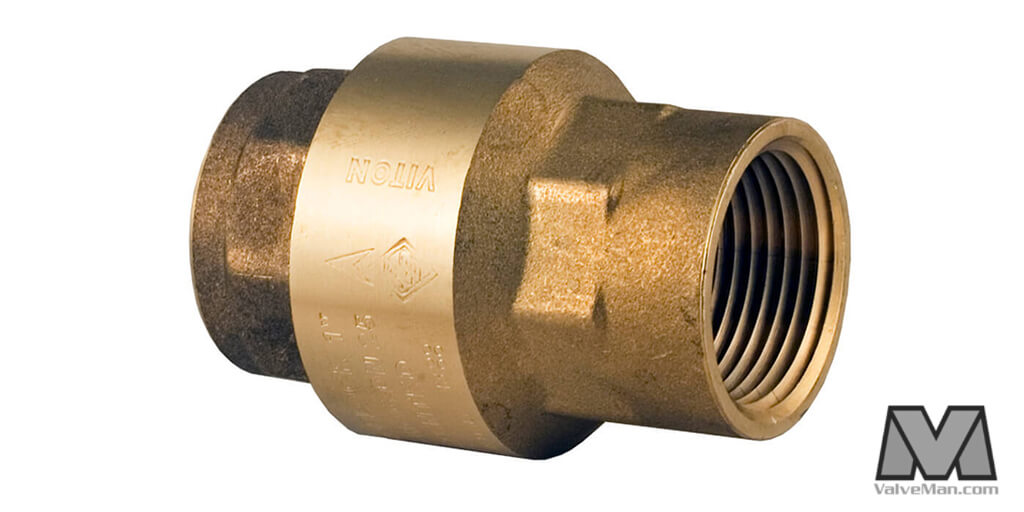
An inline check valve, often also referred to as a one-way valve, takes its place within a plumbing or industrial system where it prevents water from going back in the direction it came from.
Inline check valves may be used for either fluids or gases and automatically prevent flow redirection.
How Does an Inline Check Valve Work?
The system behind inline check valves is fairly straightforward. A simple mechanism allows the liquid or gas to flow in the desired direction (typically through the use of a flap that can only move in one direction). However, if flow redirection occurs, the flap pushes against a barrier that closes the valve and prevents flow in the opposite direction.
What Are the Common Applications of Inline Check Valves?
The inline check valve has a wide range of applications spanning various industries. Just a few of the most common uses include the following:
- Water supply systems (both potable and non-potable)
- Sewage and waste management systems
- HVAC and other AC systems
- Pneumatic systems
- Oil and gas pipelines
- Automotive fuel systems
Common Issues with Inline Check Valves
Inline Check valves are supposed to be foolproof: install-and-forget. But there are some subtle factors that can cause a check valve--inline or otherwise--to fail. One common enemy, known as "disc flutter," can occur when a check valve is installed to fit the pipeline, but not its pressure. Disc flutter means the disc (or plug, if you will) is stuck somewhere between "open" and "closed," allowing back flow through the system. The best way to prevent this is to ensure the valve matches the correct pressure requirements--(as established by ISO 8536 international standards). If the valve is under-qualified for the pressure, the upstream flow will cause damage to the seats and seals; if the valve is too large, disc flutter (which may also cause damage) will occur, or cracking pressure may never be achieved.
Inline Check Valves - Available Materials and Sizes
As many different types of plumbing systems as there are, there are inline check valves to match. Depending on the intended purpose, you can buy check valves in any of the following materials:
- Stainless steel
- Brass (lead-free)
- Brass
- Bronze
In addition to the shocking array of materials inline check valves come in, they're also available in an array of sizes. Since plumbing systems take a staggering number of forms and sizes, your inline check valve might conform to any of the following sizes:
- 1/4"
- 3/8"
- 1/2"
- 3/4"
- 1"
- 1-1/4"
- 1-1/2"
- 2"
- 2-1/2"
- 3"
- 4"
Since there are so many materials and sizes to choose from, it's essential to know exactly what your system requires before you make a purchase. In many cases, a system will only work optimally when you use an inline check valve that matches the rest of the system.
What Are the Advantages of Using Inline Check Valves?
The inline check valve has many advantages and can be an asset in many plumbing systems. Here are a few of the major benefits:
- They help prevent backflow or flow reversal (which protects the system from contamination.
- They protect system components from the potential damage caused by backflow.
- They minimize risks related to water hammers or pressure surges.
- They provide automatic and reliable operation without having to control the valve externally.
Frequently Asked Questions (FAQs)
Can You Install Inline Check Valves in Any Position?
In most cases, yes. As long as they have some sort of spring, most modern inline check valves don't need to be oriented in a certain direction, even vertical. However, it's paramount that you ensure the valve is inserted into the system so that the liquid or gas can flow through it. If you place it opposite to its direction of flow, your system will not function, and the liquids will only be able to flow in the wrong direction.
How Do I Select the Right Inline Check Valve for My Application?
There are several factors to consider when trying to choose an appropriate inline check valve for your particular system. Here are some of the most critical considerations:
- The system's flow rate
- The system's pressure rating
- The cracking pressure of the valve (opening pressure)
- The amount of pressure lost across the valve
- The temperature of the liquids or gases involved
- The materials being transported through the system and whether they'll react with the substance the flow valve consists of
It's important to know and understand the purpose and mechanics of your system before you try to buy parts for it. For instance, if you're trying to install a check valve for a corrosive gas, you'll need to use something like stainless steel rather than brass.
Do Inline Check Valves Require Maintenance?
Inline check valves rarely require maintenance and generally have very long lifespans. However, it would be wise to have them inspected periodically to ensure that everything is running according to plan. The most wearable part of an inline check valve is any seals or gaskets that are used to seal the valve.
Can Inline Check Valves Be Repaired if They Fail?
Inline check valves rarely fail. However, when they do, it is sometimes possible to repair them. Depending on the manufacturer and the product's design, it may be more cost-effective to replace the valve than repair it.
Where Can I Buy Inline Check Valves?
Here at 91视频, we have an array of inline check valves. Whether you need a stainless steel, brass, or bronze inline check valve, check out our collection for the best prices.
Inline Check Valves - Related Articles
How Do Check Valves Affect Water Pressure in the Piping System?
What is the cracking pressure of a check valve?
What Check Valve Should I Use for my Application?
The Perfect Check Valve for Water Processing
Our Posts
View All
Industrial Valves Used in Water Treatment Plants
Water treatment valves control flow rate, pressure, and direction of fluid flow in drinking water …
Read More
Industrial Control Valves: The Ultimate Guide for Engineers
Image courtesy of By Bitjungle - Own work, CC BY-SA 4.0 Precision flow control is vital to modern in …
Read More
What Are ANSI Standards for Valves and Are They Mandatory?
(And Why They Matter for Valve Systems) Whether you鈥檙e specifying valves for an oil refinery, water …
Read More
ASME Standards for Valves Explained: ASME vs. ANSI
On This Page What Is ASME? What Are Standards and Codes? Why ASME Standards Matter Key ASME Standa …
Read More
OSHA Pressure Relief Valve Regulations
OSHA pressure relief valve (PRV) regulations are extremely important for the safety of both your emp …
Read More
Choosing PVC vs Brass Ball Valves
When it comes to ball valves, there's no one-size-fits-all answer. PVC and brass are both excellent …
Read More
Agricultural Irrigation Maintenance Checklist
Here are some things to think about. If an agricultural irrigation pump has to work against just 5 p …
Read More
Agriculture Irrigation Valves: Efficient Flow Control for Farms
Agriculture irrigation valves are vital for efficient flow control, and valve selection is rarely ab …
Read More
Backflow Prevention Devices
According to the American Backflow Prevention Association, 24 gallons of asphalt emulsifier, intende …
Read More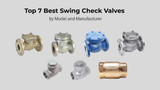
Top 7 Swing Check Valves by Model & Manufacturer
Looking for reliable swing check valves? Discover the top 7 models from leading manufacturers like C …
Read More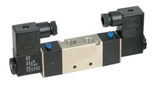
What is a Spool Valve and How Does It Work?
Spool valves are incredibly useful. They are a simple directional control valve used in hydraulic an …
Read More
What is the cracking pressure of a check valve?
Check valves, regardless of their individual design, serve the specific purpose of permitting the fl …
Read More
Smart Water Valves: Futuristic Flow Control Technology
Leaks can range from annoying to devastating, and the longer they go unaddressed, the more costly th …
Read More
How to Calculate Flow Rate In Water Systems
Flow rate is critical in water systems, from simple home plumbing to complex industrial water system …
Read More
What Is a Valve Pressure Rating? Definition and Guide
Pressure ratings are important considerations when designing a system that uses valves, but they can …
Read More
Special Pricing and Services for OEM - the 91视频 Valve Store
OEMs or Original Equipment Manufacturers make up a large portion of our clients at 91视频. With th …
Read More
Data Cooling Centers and Sanitary Valves
Overheated data centers pose a massive challenge, and the global data center cooling market is growi …
Read More
Valve Maintenance Best Practice Guide
A Guide to Safer, Long Lasting Valves Valves are found in most piped systems that move liquids, gas, …
Read More
Valve Materials for Gaseous Oxygen Service
Oxygen may seem safe because it is colorless, tasteless, and odorless, but in the wrong conditions, …
Read More
Pneumatic Actuators Valve Types
Have you ever stopped to think about what makes an automated assembly line push, pull, lift, and rot …
Read More