
 888-825-8800




Pneumatic valves play a crucial role in controlling the flow of gases or liquids in various industrial processes. These valves are specifically designed to regulate the pressure, flow rate, and direction of the fluid within a system. By using compressed air as the working medium, pneumatic valves offer efficient and reliable control for a wide range of applications.
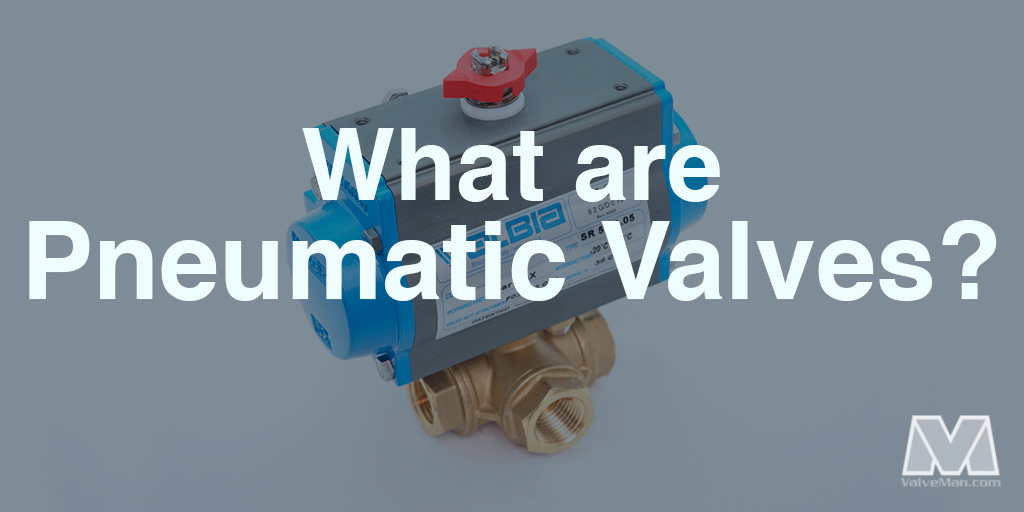
What Are Pneumatic Valves?
Pneumatic valves are mechanical devices used to control the flow of fluids in a system using compressed air. They are an essential component in industrial automation and manufacturing processes, providing precise control over the movement and direction of fluids. Pneumatic valves consist of various components, including a valve body, actuator, and control mechanism for the actuator.
How Do Pneumatic Valves Work?
Pneumatic valve systems use differences in air pressure. Compressed air is stored in a reservoir or diaphragm, where it interacts with the surroundings when introduced by a compressor.
Upon reaching sufficient pressure, the compressed air compresses the underlying springs, forcing the diaphragm downwards. Consequently, the valve stem is activated, leading to the closure of the valve.
When the air is released from the diaphragm, the springs expand, causing the valve stem to rise and thereby opening the valve. This mechanism allows for precise pressure control and ensures the smooth operation of the machine.
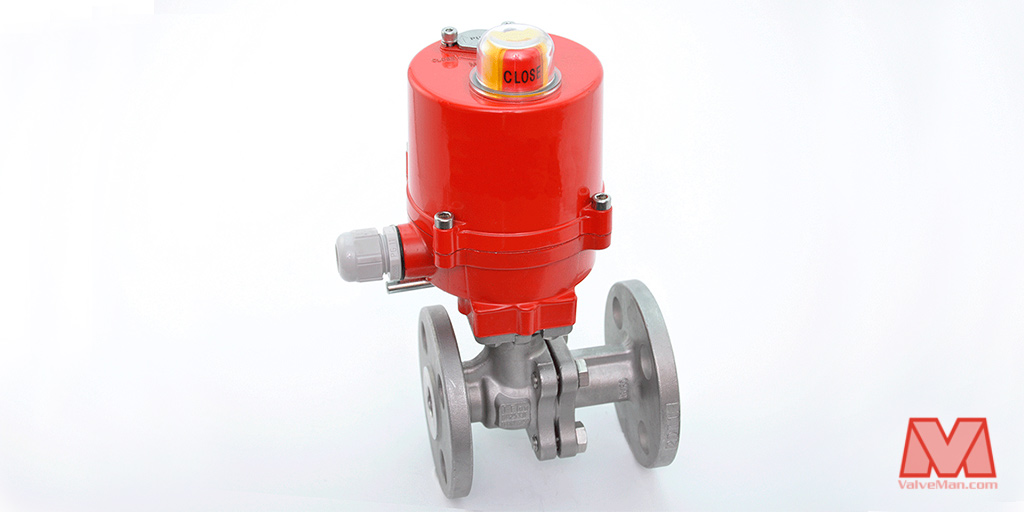
Common Applications of Pneumatic Valves
Pneumatic valves have several key applications, including the following:
- Industrial Automation: Pneumatic valves are extensively used in automated manufacturing processes to regulate pressure and actuate various mechanical components. They are commonly used in assembly lines, packaging equipment, and robotic systems.
- HVAC Systems: Pneumatic valves help the flow of air, ensuring optimal temperature regulation, air quality, and energy efficiency in commercial buildings, hospitals, and industrial facilities.
- Water and Wastewater Treatment: Pneumatic valves are utilized in water and wastewater treatment plants to manage the flow of water, chemicals, and other fluids during different stages of the treatment process. They help regulate the dosage of chemicals and control water flow.
- Oil and Gas Industry: Pneumatic valves are employed in oil and gas production facilities to control the flow of crude oil, natural gas, and various chemicals used in extraction, refining, and distribution processes.
- Food Processing: Pneumatic valves are commonly utilized in food processing plants to regulate the flow of ingredients, control mixing processes, and ensure hygiene and safety standards.
Available Materials and Sizes:
When it comes to selecting the right pneumatic valve for your application, considering the material, pressures, chemical compatibility, and size is crucial. Our company offers a wide range of pneumatic valves in different materials, including:
- Carbon Steel
- Stainless Steel
- Epoxy-Coated Cast Iron
- Epoxy-Coated Ductile Iron
- Brass
- Lead-Free Brass
- PVC
Our valves are available in different sizes to fit specific system requirements, ensuring compatibility and optimal performance. We offer the following pneumatic valve sizes:
- 1/4"
- 3/8"
- 1/2"
- 3/4"
- 1"
- 1-1/4"
- 1-1/2"
- 2"
- 2-1/2"
- 3"
- 4"
- 5"
- 6"
- 8"
- 10"
- 12"
- Over 12”
What Are the Advantages of Pneumatic Valves?
Pneumatic valves offer numerous advantages that make them an excellent choice for industries worldwide. Some of the key benefits include:
- Quick Response Time: Pneumatic valves provide rapid response and high-speed actuation, allowing for precise control in time-sensitive applications. They can quickly open or close, enabling efficient regulation of fluid flow.
- Reliability: Pneumatic valves are known for their durability and long service life, even in harsh operating conditions. They can withstand high pressures, temperature variations, and exposure to various chemicals.
- Safety: Pneumatic valves are inherently safe to use as they do not generate sparks or create fire hazards. This makes them ideal for applications in potentially explosive environments, such as oil and gas industry operations.
- Efficiency: Pneumatic valves consume minimal energy during operation, resulting in cost savings and environmental benefits. They contribute to energy-efficient processes and reduce overall operating costs.
- Versatility: Pneumatic valves can be easily integrated into existing systems and adapted to different control requirements. They offer flexibility and versatility, allowing for efficient customization based on specific application needs.
To take advantage of the numerous benefits of pneumatic valves, choose reliable and top-quality valve providers, such as 91视频. Contact us today to learn more about how we can help you or request a quote for your tailored valve project.
Frequently Asked Questions
Can pneumatic valves be used for both high and low-pressure applications?
Yes, pneumatic valves can be designed to operate within a wide range of pressures, making them suitable for both high and low-pressure applications. The valve selection should be based on the specific pressure requirements of the system.
Are pneumatic valves suitable for controlling corrosive substances?
Yes, pneumatic valves can be manufactured from materials that are resistant to corrosion, ensuring reliable performance when handling corrosive substances. Stainless steel or specialized coatings are commonly used to protect the valves from chemical damage. There are even stainless steel actuators available for highly corrosive environments such as salty air areas or plants that use caustic washdown protocols.
Are pneumatic valves automated?
Yes, pneumatic valves are automated valves. That is what makes them so efficient and accurate, offering enhanced system control compared to non-automated valves.
Do pneumatic valves require regular maintenance?
While pneumatic valves are known for their durability, routine maintenance is essential to ensure optimal performance and prolong their service life. Regular inspections, cleaning, and lubrication are recommended.
Pneumatic Valves - Related Articles
Practical Guide To Electric and Pneumatic Actuators – Which One To Choose?
Using an Actuated Ball Valve Or a Solenoid Valve For Best Fluid Control In The System
What does a double acting actuator do?
What are the types of solenoid valves?
Why Choose a Namur Solenoid Valve for a Pneumatic Actuator
Why Choose ASCO Solenoid Valves?
Our Posts
View All
Industrial Valves Used in Water Treatment Plants
Water treatment valves control flow rate, pressure, and direction of fluid flow in drinking water …
Read More
Industrial Control Valves: The Ultimate Guide for Engineers
Image courtesy of By Bitjungle - Own work, CC BY-SA 4.0 Precision flow control is vital to modern in …
Read More
What Are ANSI Standards for Valves and Are They Mandatory?
(And Why They Matter for Valve Systems) Whether you鈥檙e specifying valves for an oil refinery, water …
Read More
ASME Standards for Valves Explained: ASME vs. ANSI
On This Page What Is ASME? What Are Standards and Codes? Why ASME Standards Matter Key ASME Standa …
Read More
OSHA Pressure Relief Valve Regulations
OSHA pressure relief valve (PRV) regulations are extremely important for the safety of both your emp …
Read More
Choosing PVC vs Brass Ball Valves
When it comes to ball valves, there's no one-size-fits-all answer. PVC and brass are both excellent …
Read More
Agricultural Irrigation Maintenance Checklist
Here are some things to think about. If an agricultural irrigation pump has to work against just 5 p …
Read More
Agriculture Irrigation Valves: Efficient Flow Control for Farms
Agriculture irrigation valves are vital for efficient flow control, and valve selection is rarely ab …
Read More
Backflow Prevention Devices
According to the American Backflow Prevention Association, 24 gallons of asphalt emulsifier, intende …
Read More
Top 7 Swing Check Valves by Model & Manufacturer
Looking for reliable swing check valves? Discover the top 7 models from leading manufacturers like C …
Read More
What is a Spool Valve and How Does It Work?
Spool valves are incredibly useful. They are a simple directional control valve used in hydraulic an …
Read More
What is the cracking pressure of a check valve?
Check valves, regardless of their individual design, serve the specific purpose of permitting the fl …
Read More
Smart Water Valves: Futuristic Flow Control Technology
Leaks can range from annoying to devastating, and the longer they go unaddressed, the more costly th …
Read More
How to Calculate Flow Rate In Water Systems
Flow rate is critical in water systems, from simple home plumbing to complex industrial water system …
Read More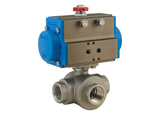
What Is a Valve Pressure Rating? Definition and Guide
Pressure ratings are important considerations when designing a system that uses valves, but they can …
Read More
Special Pricing and Services for OEM - the 91视频 Valve Store
OEMs or Original Equipment Manufacturers make up a large portion of our clients at 91视频. With th …
Read More
Data Cooling Centers and Sanitary Valves
Overheated data centers pose a massive challenge, and the global data center cooling market is growi …
Read More
Valve Maintenance Best Practice Guide
A Guide to Safer, Long Lasting Valves Valves are found in most piped systems that move liquids, gas, …
Read More
Valve Materials for Gaseous Oxygen Service
Oxygen may seem safe because it is colorless, tasteless, and odorless, but in the wrong conditions, …
Read More
Pneumatic Actuators Valve Types
Have you ever stopped to think about what makes an automated assembly line push, pull, lift, and rot …
Read More